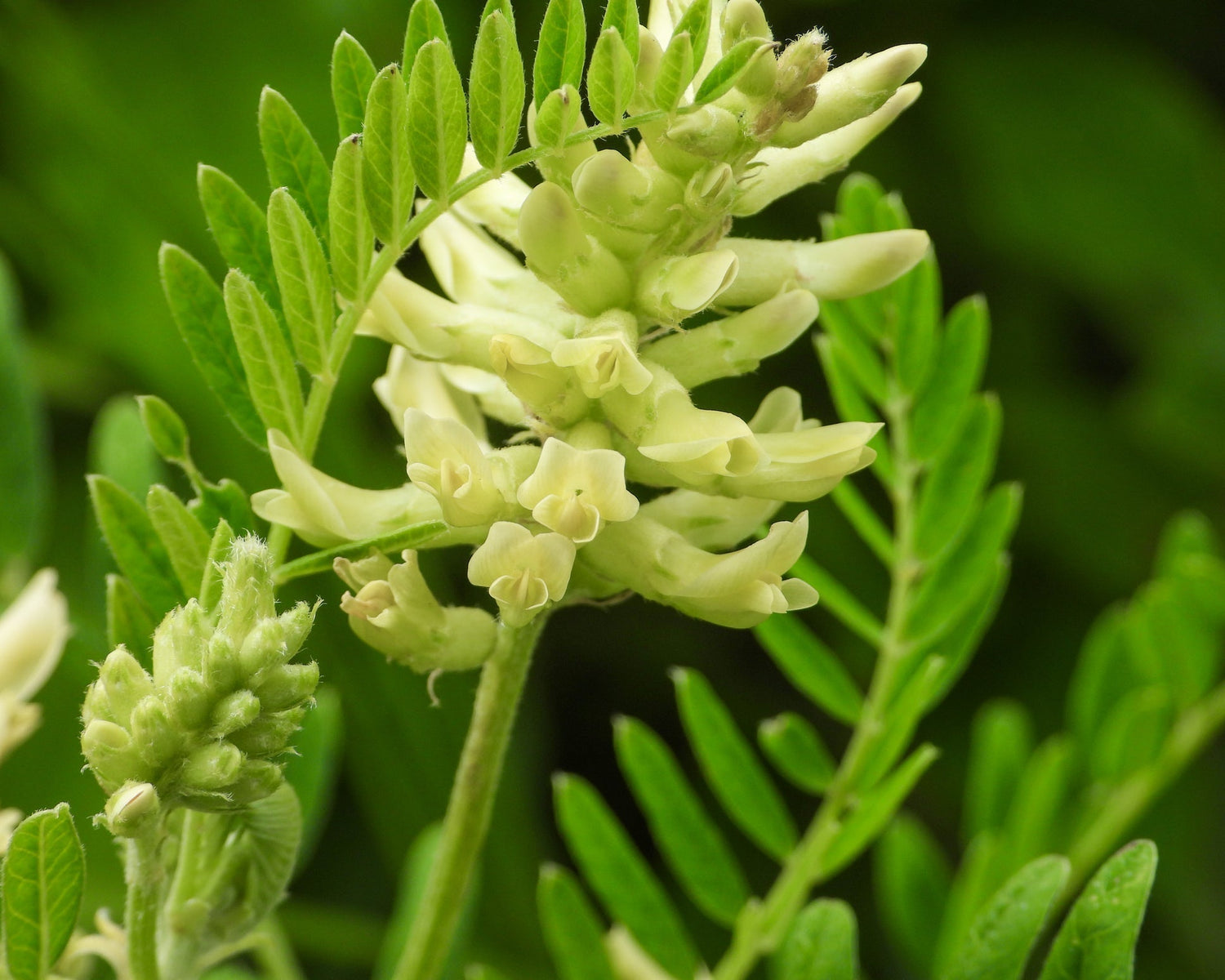
What Is Astragalus? The Steady Root We Use for Daily Resilience
Astragalus (Astragalus membranaceus) is one of those herbs that doesn’t shout. It supports. It steadies. It’s the “keep you closer to baseline” root people reach for when life gets loud and your body starts acting like it got the memo before you did.
Astragalus comes from Traditional Chinese Medicine (TCM), not classical Ayurveda. Still, Ayurveda can be a helpful lens here, because it lets us talk about an herb’s qualities and how it tends to feel in the body, without pretending it’s hiding in ancient Ayurvedic texts.
Astragalus in TCM, with an Ayurvedic Lens
Astragalus is a foundational root in TCM, traditionally used as a long-game tonic for vitality and resilience. It’s not about a dramatic “feel it instantly” moment. It’s about steady support over time, especially when life is busy, travel is constant, or your routine is… aggressively inconsistent.
Vitality and resilience support
In TCM, astragalus is traditionally used as a tonic root. In modern language, that’s support for stamina, strength, and resilience, especially during busy seasons of life.
Energetic properties
While astragalus isn’t formally categorized in Ayurveda, many herbalists describe it as gently warming in nature. In real life, that often translates to supportive, steady “tonic” energy, especially when you’re focusing on vitality and day to day resilience.
Immune support
Across TCM and modern herbalism, astragalus is primarily valued for supporting healthy immune function. Not as an emergency button, but as part of a consistent routine that helps you stay closer to baseline.
Adaptogenic support
In modern herbalism, astragalus is commonly classified as an adaptogen, meaning it’s used to help the body adapt to everyday stressors and support overall resilience. Ayurveda also recognizes the value of adaptogen style herbs for supporting vitality and balance, which is one reason astragalus makes sense in a daily blend.
Indirect digestive support
Ayurveda puts digestion at the center of almost everything. Astragalus isn’t the classic “digestion herb” in Ayurveda, but when vitality is supported and stress is better managed, digestion often benefits indirectly. That’s part of why it can make sense in a daily blend.
Cardiovascular support (traditional context)
In TCM, astragalus is sometimes used in formulas intended to support cardiovascular wellness. We keep this conversation conservative and supportive, because it’s part of a broader tradition, not a standalone promise.
Traditional Uses Beyond Immune Support
Astragalus has a long history in TCM where it’s used in formulas for vitality and resilience. Modern herbalism also discusses it in broader wellness contexts, including cardiovascular support, but we keep the language grounded, supportive, and non-clinical.
Simple Ways to Use Astragalus Daily
- Product ritual (easiest, no prep)
Take Totally Turmeric, our daily immunity shot, which includes astragalus in a thoughtful blend of turmeric, ginger and lemon. The taste is mild and smooth, making it an easy addition to your morning routine. Consistency is the secret sauce here. Remember, adaptogens love to work accumulatively. - Tea, tincture, or powder (traditional style)
Astragalus root is typically simmered because it’s dense and woody. A gentle simmer for 20 to 30 minutes is a classic approach. I love to chew the root first, activating it and priming it to release its medicine and then steep it for a shorter period of time, like 10 minutes. You’ll also see it used as a tincture or powder for people who want the “no simmer pot” version. - Cook with it (the quiet soup era)
Add astragalus slices to broths and soups while they simmer, then remove before serving. It’s a low effort way to incorporate it without making your life a project. It does not strongly affect the taste but gently releases its healing properties this way.
I hope you enjoyed learning a little more about astragalus and why we love it as part of a steady daily ritual.
In good health,
Amanda